In today’s 9 to 5 job era, 80% of the working individuals are sitting in front of the computer screens and tapping away on their keyboards. In their busy schedules, what most of them forget to notice is the load they are expending on their spine with their sitting postures while trying to accommodate their work. This slouched posture, might seem normal, but causes immense damage to the spinal cord in the long run. Slouching or poor posture, can put undue stress on the spine, leading to muscle and joint strain. Good posture, supports for good health.
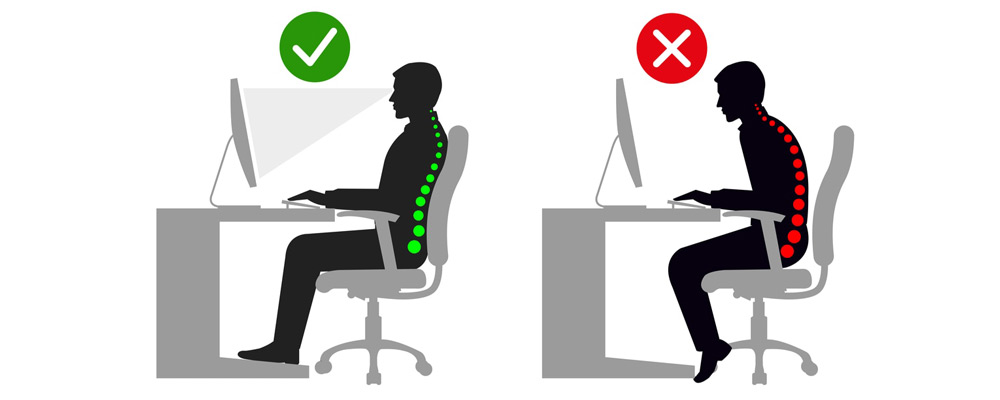
The Spine, also known as the vertebral column, is a complex framework of muscles, nerves, discs, ligaments and vertebrae. Your vertebrae protects the spinal cord, which is a communication pathway between your brain and the rest of your body. Each time you bend, lift, sit, sleep, your posture directly affects the load put on your spine. These unsupported postures cause,
Bad posture means a posture which creates pressure on your spine, like slouching while sitting, forward head positioning, hunched shoulders, or abnormal lumbar curves. And over time, these postures can lead to a domino effect of spinal ailments, such as
Symptoms like recurring neck or back pain, stiffness, radiating leg pain, or difficulty with balancing needs specialist attention. Dr Ravi Suman Reddy, one of the top spine surgeon in Hyderabad, insists on getting immediate medical attention to not worsen the condition. A specialist will able to suggest if you can be treated with non-surgical producers or with minimally invasive procedures such as endoscopic neurosurgery, which has faster recovery and fewer risks than conventional spine surgery.
Endoscopic Neurosurgery is a minimally invasive surgical technique applied to correct spinal and brain disease through small cuts and the use of a camera (endoscope). In spinal treatment, it enables surgeons to reach the areas causing the problems without interfering with adjacent tissue, which leads to:
This technique is particularly beneficial for conditions such as herniated discs, spinal stenosis, or nerve impingement.
The pillar of spine wellness is preventive care. Here are easy steps to enhance posture and lower tension on your back:
The best approach to managing posture-related spine problems is early intervention. Whether its mild discomfort or chronic back issues, seeking professional advice can make a significant difference. Today's sophisticated spine care methods, such as neurosurgery, are crafted to provide relief with minimal disruption to your life
If you're not sure if your posture is impacting your spine or if you're dealing with ongoing symptoms, don't wait. Make the first step to long-term spinal health by scheduling an appointment with a spine specialist today.
Frameless Stereotactic Radiosurgery
Laser Disc Decompression
Radiofrequency Ablation for Trigeminal Neuralgia
Radiofrequency Ablation for Back Pain & Neck Pain
Minimal Invasive Spine Surgery
Spine Stabilization
Cranial Micro Neurosurgery
Cranio Spinal Trauma
Endoscopic Neurosurgery
The spine, also known as the vertebral column, is made up of vertebrae, discs, muscles, ligaments and nerves that protect the spinal cord and help with communication between the brain and the body. It supports everyday movements like bending, lifting, sitting and even sleeping, while distributing body weight evenly. When posture is poor, it increases pressure on the discs and raises the risk of nerve-related problems.
Poor posture like slouching or a forward head position puts extra stress on the spine. Over time, this can lead to muscle imbalances, disc problems and even nerve compression. It may cause conditions such as herniated discs, muscle strain, spasms or pinched nerves. As a result, flexibility decreases and pain becomes more frequent during daily activities.
You should consult a spine specialist if poor posture leads to recurring neck or back pain, stiffness or symptoms like tingling, numbness or radiating pain in the arms or legs. Balance issues or worsening discomfort are also signs that you shouldn’t ignore. Early consultation can help prevent long-term complications.
Slouching increases pressure on the spinal discs, especially in the lower back and neck. Over time, this pressure can cause the inner gel of the disc to bulge out, which may press on nearby nerves. This misalignment often caused by hunched shoulders or poor sitting habits can lead to pain and reduced mobility.
Simple daily habits can make a big difference. Sit with your back straight, shoulders relaxed and feet flat on the floor. Take breaks every 30–60 minutes to stand or stretch. Strengthen your core muscles, use a supportive mattress and avoid sleeping on your stomach. Also, keep your screen at eye level to reduce strain on your neck.
Endoscopic spine surgery is a minimally invasive procedure that uses small incisions and a camera to treat conditions like herniated discs or spinal stenosis. It causes less tissue damage, results in less pain and scarring and allows for quicker recovery compared to traditional surgery. It’s often recommended only when non-surgical treatments are not effective.
Core muscles including the abdominal and back muscles play a key role in supporting the spine. Strong core muscles help maintain proper alignment, reduce strain and prevent fatigue or muscle spasms. Regular strengthening exercises can significantly improve posture over time.
Long hours in front of screens often lead to a forward head posture and slouching. This puts extra strain on the neck and upper back, increasing the risk of pain and stiffness. Keeping your screen at eye level and taking regular breaks can help reduce this strain.
Dr. Ravi Suman Reddy is a neurosurgeon and spine specialist who focuses on diagnosing and treating posture-related spine problems. He emphasizes non-surgical treatments and, when needed, recommends minimally invasive procedures to help patients recover effectively and maintain long-term spine health.
