Trigeminal neuralgia (TN) is a kind of neuropathic pain that affects the face. It has a substantial influence on patients' quality of life and physical function. Evidence shows that vascular compression of the trigeminal nerve causes localised demyelination and abnormal neural discharge. Secondary causes, such as multiple sclerosis or brain tumours, can also induce trigeminal neuralgia (TN). Each patient's treatment must be tailored to their specific needs. In the first-line therapy of trigeminal neuralgia (TN), carbamazepine remains the medicine of choice. When pharmacological therapy fails, less-invasive interventional pain therapies and surgery may be considered. Microvascular decompression may be beneficial to younger individuals. Percutaneous trigeminal nerve rhizolysis may be more appropriate for elderly individuals with less surgical risk.
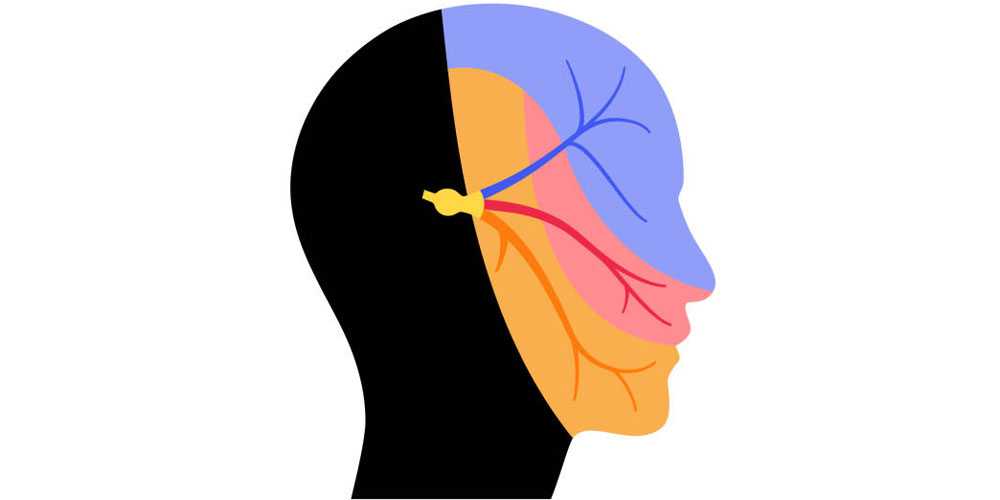
The illness affects between 0.03% and 0.3% of the population, with an annual incidence of about 12 cases per 100,000 people. While it can develop at any age or gender, females have a greater prevalence, with an average beginning age of 50. Most instances of trigeminal neuralgia (TN) are idiopathic or caused by external vascular compression of the trigeminal nerve, which causes degradation of the myelin layer that protects the nerve. However, any ailment that causes nerve damage might cause the formation. However, any disorder that causes nerve damage (e.g., multiple sclerosis, neural tumours, face trauma or surgery, and systemic illnesses) might cause the development of trigeminal neuralgia (TN).
The presence of abrupt, intermittent, acute burning or stabbing-like unilateral face pain in the distribution of one or more branches of the afflicted trigeminal nerve is diagnostic of trigeminal neuralgia (TN). The painful episodes typically last a few seconds to minutes and can occur spontaneously or in reaction to a non-painful input (for example, when doing tasks requiring facial motions). Furthermore, the severity of the episodes tends to deteriorate over time, resulting in fewer pain-free periods and greater difficulties controlling symptoms. The patient's medical history and clinical examination data are used to make the diagnosis of trigeminal neuralgia (TN). However, appropriately diagnosing this illness can be difficult since the symptoms are similar to those of many other conditions that cause facial discomfort, such as post-herpetic neuralgia, cluster headaches, and temporomandibular joint dysfunction. As a result, several neurological tests are usually performed to rule out possible disorders.
Trigeminal neuralgia (TN) pain may frequently be treated with medicines such as anti-epileptic drugs or tricyclic antidepressants. Nonetheless, when the condition advances, conservative therapy may fail to successfully manage the symptoms. As a result, interventional treatments for trigeminal neuralgia (TN) include neurectomy, balloon compression, microvascular decompression, stereotactic radiosurgery, and radiofrequency ablation (RFA). Radiofrequency ablation RFA is a method that uses radio waves directly on the nerve to block nociceptive transmission. Because of its good therapeutic success rates, minimally invasive nature, and safety profile, it has proven to be a successful therapy method for TN. RFA is divided into two types: continuous radiofrequency (CRF) and pulsed radiofrequency (PRF). While CRF uses a constant application of high temperatures to generate thermocoagulation and necrosis of the targeted tissue, PRF uses a pulsed sequence and lower temperatures to deliver radio waves to the nerve. Despite its effectiveness, RFA is linked with a variety of risks and consequences, which vary based on patient characteristics, trigeminal neuralgia (TN) aetiology, and other contributing variables.
Radiofrequency ablation (RFA) is a viable therapy option for trigeminal neuralgia (TN) patients, offering considerable pain alleviation as well as an improved quality of life. More research is required to compare the long-term effects of RFA with other therapies and to find the best patient selection criteria. It is nevertheless a safe and effective alternative to other surgical treatments, and it should be regarded as a therapy option for trigeminal neuralgia TN patients.
Trigeminal neuralgia is a chronic nerve condition that causes sudden, severe facial pain due to irritation of the trigeminal nerve. The pain is often described as sharp, stabbing, or electric shock-like and may last from seconds to minutes. It can be triggered by everyday activities such as talking, chewing, or touching the face.
In most cases, trigeminal neuralgia is caused by a blood vessel pressing on the trigeminal nerve, which leads to nerve damage and abnormal pain signals. Other causes may include multiple sclerosis, brain tumors, facial injuries or certain neurological conditions. Doctors usually confirm the cause by reviewing symptoms and ruling out other conditions.
Diagnosis is mainly based on the patient’s description of sudden, one-sided facial pain. A neurological examination is done to rule out other conditions like migraines, sinus issues or TMJ disorders. In some cases, imaging tests like MRI are used to check for nerve compression or underlying causes such as tumors.
The first-line treatment for trigeminal neuralgia is medication, usually carbamazepine, which helps control nerve pain. Other anti-seizure drugs or muscle relaxants may also be prescribed. If medications stop working or cause side effects, procedures like radiofrequency ablation or surgery may be considered.
Radiofrequency ablation (RFA) is a minimally invasive procedure that uses heat generated by radio waves to block pain signals in the trigeminal nerve. It is usually considered for patients who do not respond well to medications. It offers good pain relief with a relatively quick recovery.
I Radiofrequency ablation treats trigeminal neuralgia by using controlled heat to block pain signals from the trigeminal nerve. A thin needle is guided to the nerve, and radiofrequency energy disrupts pain transmission without open surgery. Relief can last from months to years depending on the patient.
Patients who have trigeminal neuralgia that does not improve with medications may be candidates for radiofrequency ablation. It is often suitable for older patients or those who may not be ideal candidates for major surgery. A neurosurgeon, such as Dr. Ravi Suman Reddy in Hyderabad, evaluates the condition and recommends the best treatment approach.
The procedure is generally safe, but some patients may experience temporary facial numbness, mild weakness or recurrence of pain over time. Serious complications are rare. Your doctor will explain the risks and help you compare RFA with other treatment options before deciding.
Trigeminal neuralgia treatment in Hyderabad is available at specialized neurosurgery and pain management centers. Experienced neurosurgeons provide advanced treatments such as medication management and radiofrequency ablation based on the severity of the condition.
Frameless Stereotactic Radiosurgery
Laser Disc Decompression
Radiofrequency Ablation for Trigeminal Neuralgia
Radiofrequency Ablation for Back Pain & Neck Pain
Minimal Invasive Spine Surgery
Spine Stabilization
Cranial Micro Neurosurgery
Cranio Spinal Trauma
Endoscopic Neurosurgery
