Spine stabilization is a surgical procedure that offers people with spinal problems a ray of hope. For patients suffering from various spinal problems, this technique seeks to restore spinal stability, reduce pain, and improve overall quality of life. A key support system like the spine is susceptible to harm and deterioration, which can cause crippling agony and functional impairment. The specialized field of spine stabilization, which is constantly improving due to medical advancements, is crucial in resolving these issues.
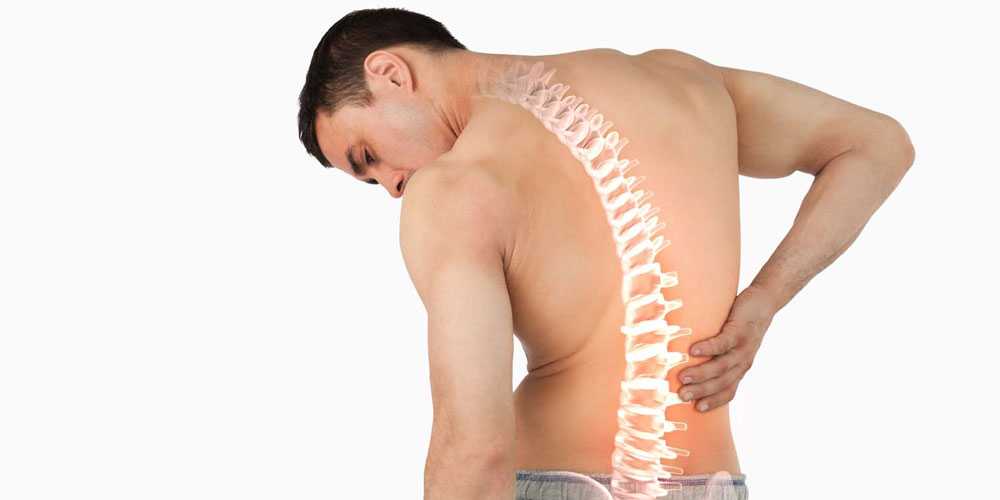
The spine, which is at the center of the body's support structure, is made up of vertebrae and intervertebral discs. Its structural integrity may be disrupted by injuries, degenerative conditions, or abnormalities, leading to discomfort, instability, and neurological impairments.
Numerous medical conditions and circumstances warrant spine stabilization.
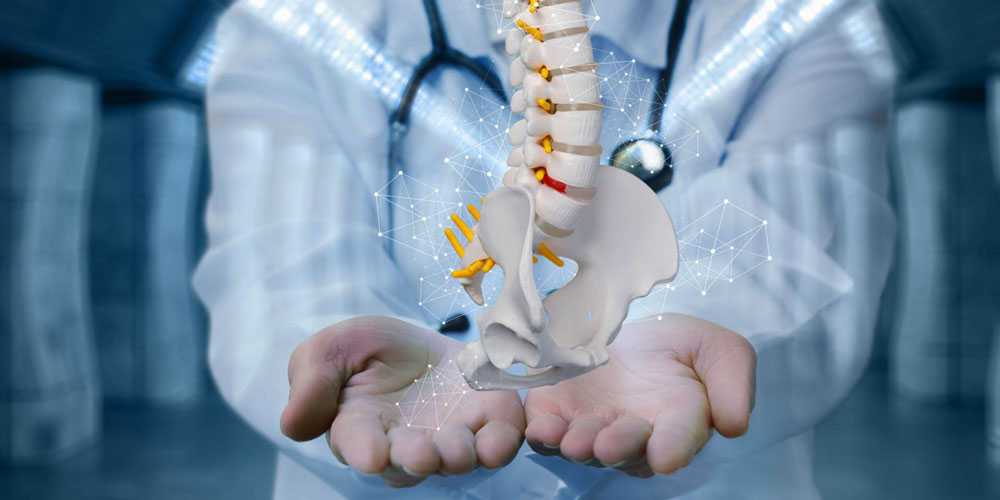
Typically, spine stabilization comprises several key stages:
Recovery duration varies based on the procedure, the patient's overall health, and the underlying condition. In some instances, temporary back braces may aid in spinal support during the initial healing phase. Physical therapy and rehabilitation are pivotal aspects of recovery, facilitating the regaining of strength, flexibility, and functionality.
As with any surgical procedure, spine stabilization surgeries entail some risks and potential complications. These encompass infection, blood clot formation, nerve damage, and hardware-related issues. Patients should engage in comprehensive discussions about these concerns with their surgeon before embarking on the procedure.
Spine stabilization procedures constitute a beacon of hope for those contending with spinal issues. These surgical techniques, advancing in precision and minimally invasiveness, ameliorate patient outcomes. As medical strides persist, spine stabilization procedures are poised to grow even more effective, offering optimism to those grappling with spinal instability and discomfort. Patients contemplating such procedures should embark on thorough consultations with healthcare providers to explore the most suitable options aligned with their specific needs.
In the field of neurosurgery, Dr. Ravi Suman Reddy is a well-known expert. He is tenacious and effective in guaranteeing precision treatment with an all-encompassing patient-centric strategy. and he always delivers successful results for challenging operations involving brain and spine disorders.
Spine stabilization surgery is a procedure that restores stability to the spine by fusing vertebrae or using implants like rods and screws. It is commonly performed to reduce pain, prevent further damage, and improve mobility in conditions like disc disease, trauma, scoliosis, or infections.
Spine stabilization is needed for patients with spinal instability causing chronic pain, nerve compression, or structural problems. It is commonly recommended for conditions like herniated discs, scoliosis, trauma, or degenerative diseases when non-surgical treatments fail
Spine stabilization is performed by surgically securing the spine using fusion or implants like rods and screws. The surgeon may also decompress nerves before stabilizing the spine. The procedure is done under anesthesia and followed by rehabilitation for recovery.
Spine stabilization helps reduce pain, restore proper spinal alignment and prevent further nerve damage. It improves daily movement and quality of life for patients suffering from back pain, neck pain or sciatica. Minimally invasive techniques, when suitable, also allow faster recovery and better mobility preservation.
You should consult a qualified spine surgeon or neurosurgeon with experience in spine stabilization procedures. In Hyderabad, specialists like Dr. Ravi Suman Reddy are known for treating complex spine conditions using advanced and minimally invasive techniques. It’s important to choose a doctor experienced in managing conditions like spondylitis, disc problems and chronic back pain.
To choose the right spine doctor, look for expertise in spine stabilization procedures, strong surgical success rates and positive patient feedback. Also check their experience in treating conditions like sciatica, spondylitis and chronic back or neck pain. A consultation will help you understand their approach and treatment plan for your condition.
Recovery after spine stabilization surgery usually takes several weeks to months depending on the procedure and patient health. Patients may need limited activity for 4–6 weeks and undergo physiotherapy to regain strength and mobility.
Spine stabilization surgery in Hyderabad is available at specialized spine and neurosurgery centers. Experienced surgeons use advanced techniques to treat spinal instability. A consultation helps determine the most suitable treatment approach.
Spine stabilization is usually recommended when non-surgical treatments like medication or physiotherapy do not provide enough relief. It offers long-term stability and pain relief, especially in severe cases such as spinal degeneration or trauma. A spine specialist in Hyderabad can help decide if surgery is the right option based on your condition.
Frameless Stereotactic Radiosurgery
Laser Disc Decompression
Radiofrequency Ablation for Trigeminal Neuralgia
Radiofrequency Ablation for Back Pain & Neck Pain
Minimal Invasive Spine Surgery
Spine Stabilization
Cranial Micro Neurosurgery
Cranio Spinal Trauma
Endoscopic Neurosurgery
