Percutaneous laser disc decompression (PLDD) is a procedure used to relieve pressure on nerve roots in the spine caused by herniated discs. Pain, tingling, numbness, weakness, and other symptoms in the back, neck, arms, and legs might be caused by compressed nerve roots.
Instead of medically eliminating the source of the compression, laser disc decompression destroys it using laser light. Percutaneous laser disc decompression (PLDD) is the technique of choice by Dr. Ravi Suman because it is safe, effective, and less invasive.
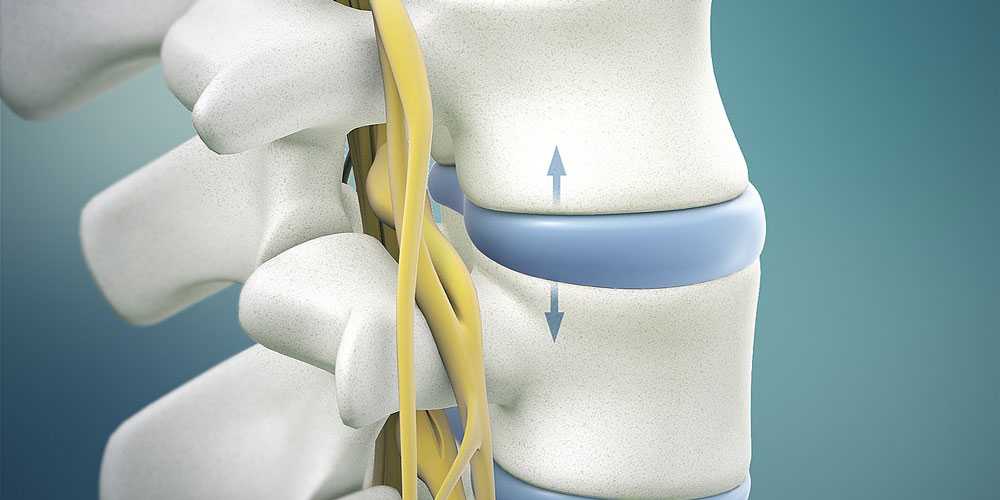
The following conditions can be treated with percutaneous laser disc decompression (PLDD):
Except for the vertebrae designated T1 through T4, the treatment can be used for disc herniations in any vertebra. It is most commonly used to treat bulging or herniated discs in the lower back, sometimes known as the lumbar spine, and the resultant radiculopathy (radiating pain).
Although the ideal patient has an untreated disc herniation with no disc fragments, percutaneous laser disc decompression (PLDD) has been used to treat herniations that have failed surgical treatment.
The majority of percutaneous laser disc decompression (PLDD) patients have:
For the proper patient, percutaneous laser disc decompression (PLDD) can be an effective and appealing surgery. One of its most significant benefits as a first operation is that if it is ineffective, open or minimally invasive surgery can still be performed later.
Other benefits include:
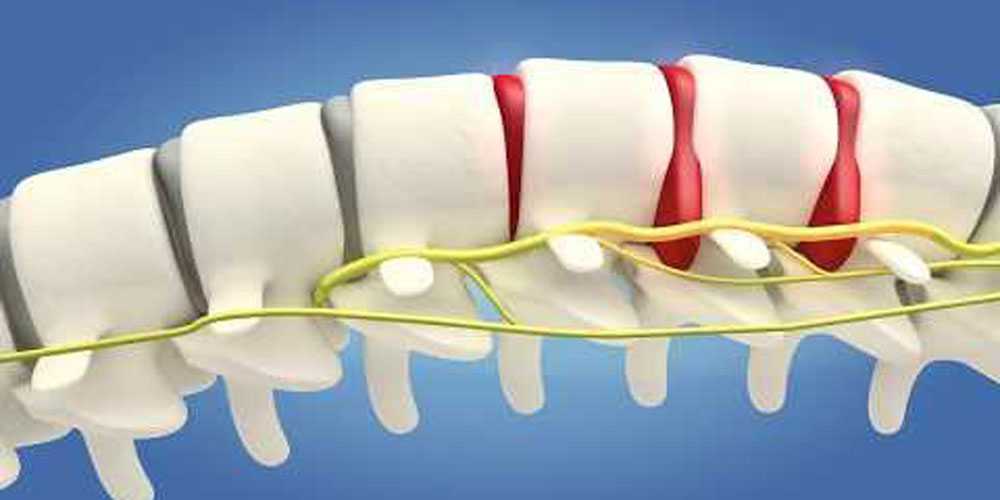
The treatment is minimally invasive and does not need general anaesthesia. The laser is supplied by a needle placed into the disc, with computed tomography (CT) and fluoroscopy guiding the procedure.
CT fluoroscopy includes the use of x-rays to create pictures that are then augmented with contrast dye. This enables physicians to accurately insert the needle used in percutaneous laser disc decompression (PLDD).
In contrast to traditional discectomy, the bulging disc fragment pinching nerve roots is not surgically removed. Instead, after inserting the needle, laser energy is supplied via the needle and into the disc.
This energy, in the form of heat, decreases the pressure within the disc. As a result, the projecting disc component is pulled back through the outer layer of the disc, releasing pressure.
Because laser disc decompression is an outpatient treatment, the patient can leave the hospital or surgical centre within 24 hours. Because no general anaesthesia is used, the patient is never unconscious throughout the procedure. Local anaesthesia is used to numb the region around the disc to be decompressed.
There is no need to relocate any back muscles, and no incisions are required. As a result, percutaneous laser disc decompression (PLDD) has a quick recovery time. Most people can return to work within a week after receiving pain relief.
Request an appointment with Dr. Ravi Suman if you are contemplating laser spine surgery. We can help you decide if percutaneous laser disc decompression (PLDD) is the correct surgery for you, create a treatment plan, and get you on the road to recovery.
Percutaneous laser disc decompression (PLDD) is a minimally invasive laser procedure used to treat herniated discs by reducing pressure on spinal nerves. It uses laser energy to shrink the disc material, relieving pain, tingling, and weakness without open surgery. The procedure is commonly performed by spine specialists in Hyderabad for suitable patients.
Good candidates for PLDD are patients with disc herniation causing nerve-related pain, especially when conservative treatments have not worked. It is most suitable for those with symptoms lasting more than three months and leg pain that is worse than back pain. Patients should have intact discs without major fragments or fractures. It is often recommended as a less invasive alternative before considering open surgery.
PLDD is mainly used to treat herniated or bulging discs that cause nerve compression. It helps relieve conditions such as sciatica, radiculopathy and spinal stenosis. It is especially effective for lower back disc problems that lead to radiating pain in the legs or arms. This makes it a useful option for back pain treatment in Hyderabad.
PLDD is performed by inserting a thin needle into the affected disc and delivering laser energy to reduce pressure on nerves. The procedure is done under local anesthesia using imaging guidance like CT or fluoroscopy. It requires no large incisions and is usually completed as an outpatient treatment.
PLDD offers several benefits, including no surgical cuts, no scars and minimal downtime. Most patients can return home the same day and resume work within about a week. It avoids general anesthesia and has a low risk of complications. Since it is minimally invasive, it also preserves the option for future surgery if needed.
Recovery after PLDD is usually quick, with most patients returning to normal activities within a week. Since it is minimally invasive, patients are discharged the same day or within 24 hours. Pain relief may begin within a few days, with gradual improvement over time.
PLDD is available at specialized spine and neurosurgery centers in Hyderabad. Experienced spine specialists offer this treatment for conditions like herniated discs causing back or neck pain. Consulting a qualified neurosurgeon will help determine if PLDD is the right option for your condition.
PLDD may not be suitable for patients with severe disc damage, disc fragments, compression fractures or certain types of spinal herniations (such as T1-T4 levels). It is also less effective when back pain is more severe than leg pain or when symptoms are very recent. A spine specialist can evaluate whether this procedure is appropriate for you.
PLDD is often preferred over traditional surgery because it is less invasive, does not require open incisions and offers faster recovery. It relieves nerve pressure using laser energy without removing the disc entirely. It is a good option for sciatica when conservative treatments fail, while still keeping future surgical options open if needed.
Frameless Stereotactic Radiosurgery
Laser Disc Decompression
Radiofrequency Ablation for Trigeminal Neuralgia
Radiofrequency Ablation for Back Pain & Neck Pain
Minimal Invasive Spine Surgery
Spine Stabilization
Cranial Micro Neurosurgery
Cranio Spinal Trauma
Endoscopic Neurosurgery
