A single, significant incision is used in traditional open operations to perform the procedure. It permits a protracted healing time and a number of issues after surgery. Due to the large incisions, it can also harm the nearby tissues. In contrast to typical open surgery, minimally invasive surgery only requires a small incision to insert an endoscope, a thin metal tube that allows physicians to more precisely treat the damaged area while magnifying the surgical site. Additionally, it aids in lessening harm to nearby tissues.
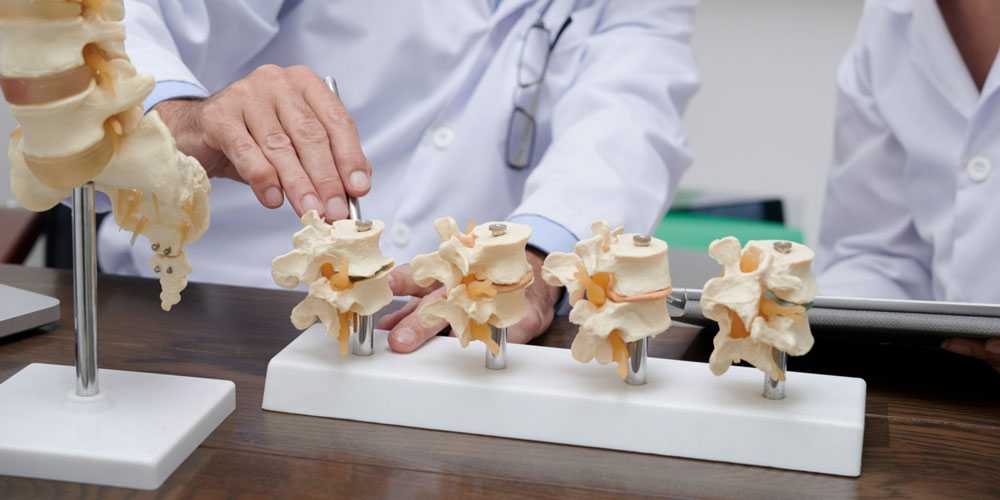
An orthopedic surgeon with expertise will carry out the operation. Depending on the injury's location and other crucial criteria, the surgery's procedure and specifics will vary. The process entails:
Minimally invasive spine surgery has numerous benefits compared to traditional open surgery. Some of them include:
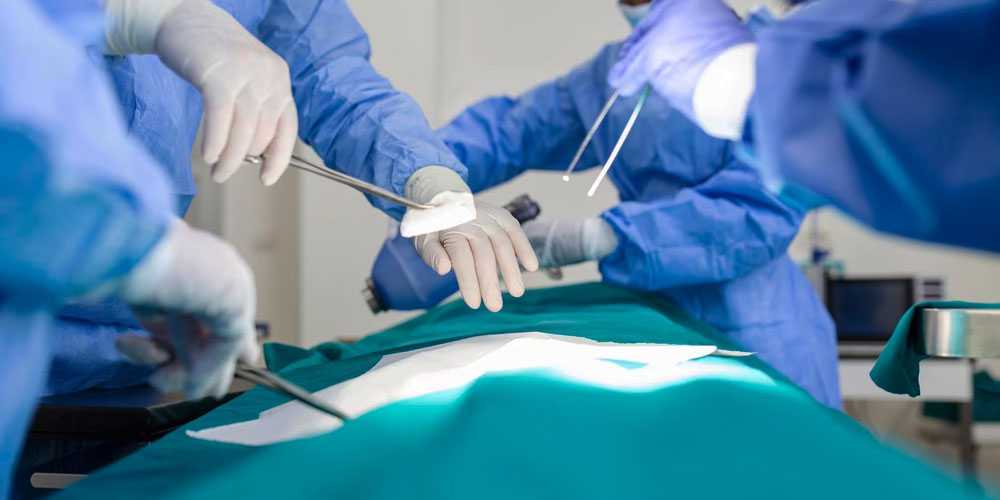
With every surgical procedure, there will be potential side effects, so minimally invasive spine surgery Below are the common side effects of minimally invasive spine surgery, such as:
Spine surgery has the following specific risks:
Patients who have undergone minimally invasive spine surgery often stay in the hospital for three to five days. Depending on your spinal condition, the severity of your surgery, the experience of your surgical team, your age, your general health, and other considerations, it may take you a while to recover completely. Your full recovery can take several months. Find out from your surgeon how long it will take you to fully recuperate from your procedure.
Minimally invasive spine surgery is a technique that uses small incisions and specialized instruments to treat spine conditions with minimal damage to surrounding tissues. It involves tools like endoscopes and tubular retractors to precisely target the affected area. Compared to open surgery, it results in less pain, faster recovery, and fewer complications.
Minimally invasive spine surgery works by accessing the spine through small incisions using imaging guidance and specialized instruments. The surgeon uses tools like an endoscope or fluoroscope to treat the affected area while preserving muscles and tissues. The procedure is performed under anesthesia and usually requires minimal hospital stay.
Minimally invasive spine surgery offers several advantages over open surgery. It reduces blood loss, lowers the risk of infection and causes less damage to surrounding tissues. Patients typically experience less postoperative pain, need fewer painkillers and have smaller scars. Hospital stays are shorter and recovery is usually much faster, allowing earlier return to daily activities and work.
Like any surgery, there are some risks involved. General risks include reactions to anesthesia, infection, pneumonia or blood clots. In rare cases, there may be nerve injury, spinal fluid leakage or damage to surrounding tissues. However, serious complications such as paralysis are extremely rare, especially when performed by experienced surgeons.
Minimally invasive spine surgery is performed by experienced neurosurgeons and orthopedic spine surgeons. In Hyderabad, specialists like Dr. Ravi Suman Reddy are known for handling complex spine cases using advanced endoscopic and minimally invasive technique. The surgeon’s expertise plays a major role in ensuring safe and successful outcomes.
Recovery after minimally invasive spine surgery is usually faster than open surgery, with most patients resuming normal activities within a few weeks. Hospital stays are shorter, and pain is generally less severe. Full recovery may take a few weeks to months depending on the condition and procedure.
You should consider this surgery if back pain does not improve with non-surgical treatments like medication, physiotherapy or lifestyle changes. It is often recommended for conditions such as sciatica, spondylitis or disc problems. A spine specialist in Hyderabad will evaluate your condition and decide if surgery is the right option.
The best spine doctor in Hyderabad is a neurosurgeon or orthopedic specialist experienced in minimally invasive and endoscopic spine surgery. Choosing a doctor with strong experience, proven results, and positive patient outcomes ensures better treatment for conditions like sciatica and neck pain.
To choose the best spine specialist in Hyderabad, look for experience in minimally invasive procedures, patient reviews, and successful treatment outcomes. A consultation helps evaluate the doctor’s approach, diagnosis accuracy, and treatment plan before making a decision.
Frameless Stereotactic Radiosurgery
Laser Disc Decompression
Radiofrequency Ablation for Trigeminal Neuralgia
Radiofrequency Ablation for Back Pain & Neck Pain
Minimal Invasive Spine Surgery
Spine Stabilization
Cranial Micro Neurosurgery
Cranio Spinal Trauma
Endoscopic Neurosurgery
