Trauma to the cranium and spinal column together, known as craniospinal trauma, presents a severe challenge. These accidents, falls, sports accidents, and violent acts are only a few of the many possible causes of these injuries. Given the complex nature of such situations, understanding the specifics of how these injuries develop, evaluating them, and managing them is of utmost importance in modern medicine.
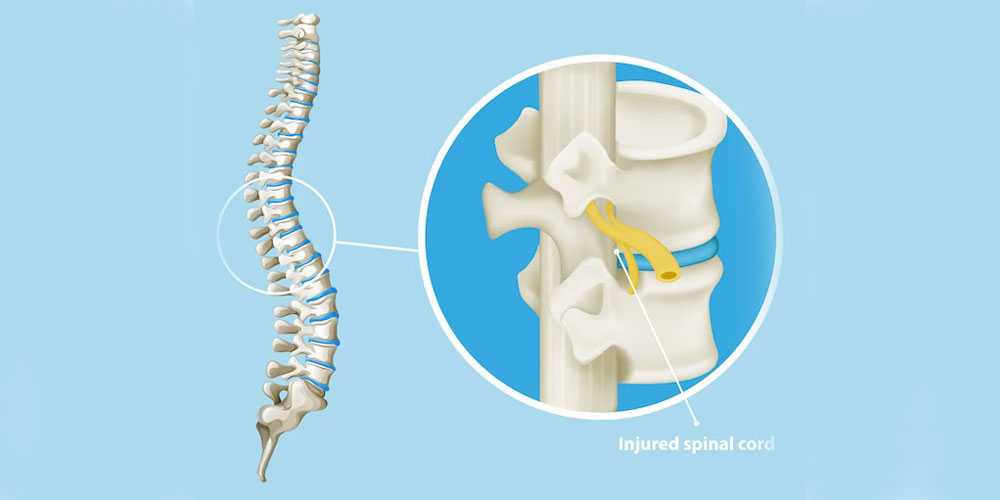
Craniospinal trauma can result from a number of processes, each of which carries a unique set of risks and difficulties. Several common mechanisms include:
Diagnosing craniospinal trauma necessitates a multidisciplinary approach involving neurosurgeons, orthopedic surgeons, radiologists, and emergency medicine specialists. The evaluation typically encompasses:
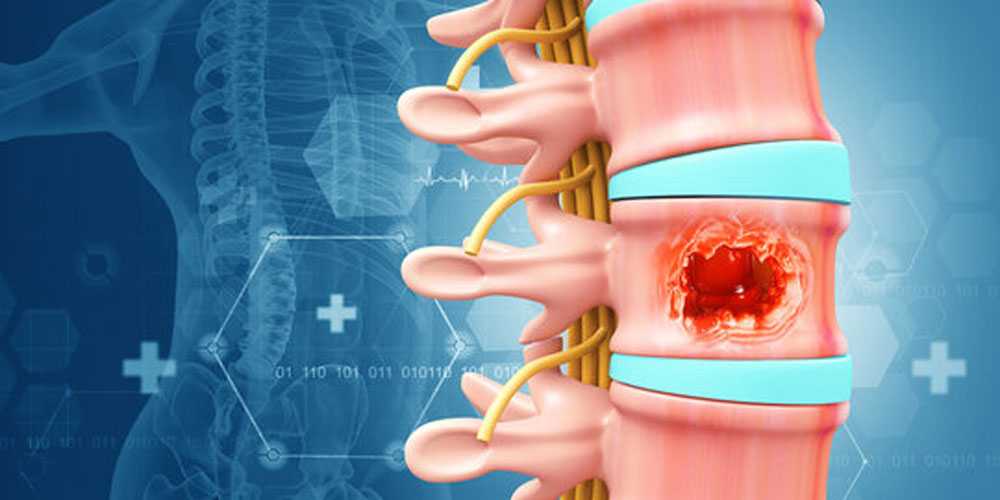
The management of craniospinal trauma is multifaceted and predominantly contingent on the nature and severity of the injuries sustained. Typically, it involves a blend of surgical and non-surgical interventions.
The prognosis for craniospinal trauma patients spans a wide spectrum, contingent upon variables such as injury extent, the timeliness of medical intervention, and the patient's overall health. While some individuals may experience substantial recovery and regain a high degree of functionality, others may confront enduring challenges.
Craniospinal trauma represents a multifaceted challenge demanding comprehensive and swift medical attention and assistance from a well-versed practitioner and expert to achieve successful outcomes. Dr. Ravi Suman Reddy is an expert neurosurgeon equipped with an abundance of experience and skill sets. His profound comprehension of the mechanisms, assessment techniques, and management strategies associated with craniospinal trauma is indispensable to attaining optimal outcomes for affected individuals.
Craniospinal trauma is a serious injury that affects both the brain (skull) and the spinal cord, usually caused by accidents or falls. It requires immediate medical attention to prevent complications. Advanced imaging like CT and MRI is used for accurate diagnosis and treatment planning.
Craniospinal trauma is mainly caused by high-impact injuries such as road accidents, falls, or blunt force trauma. It may also result from penetrating injuries or sudden neck movements like whiplash, affecting both the brain and spine simultaneously.
Diagnosis usually begins with a detailed clinical examination to assess neurological function. This is followed by imaging tests such as CT scans to detect fractures and MRI scans to evaluate spinal cord or soft tissue damage. In some cases, angiography may be used to check blood vessels. This step-by-step approach ensures an accurate diagnosis.
Craniospinal trauma is treated by stabilizing the patient and preventing further damage to the brain and spinal cord. Treatment may include immobilization, medications to reduce swelling, and surgery if needed, followed by rehabilitation for recovery.
Craniospinal trauma is treated by neurosurgeons and spine specialists trained in managing complex brain and spinal injuries. In Hyderabad, experienced specialists use advanced imaging and surgical techniques to provide coordinated emergency care.
If left untreated, craniospinal trauma can lead to serious complications such as paralysis, permanent nerve damage or worsening brain injury due to swelling. Early medical intervention is crucial to prevent long-term disability and improve recovery outcomes.
CT scans are usually the first choice as they quickly detect skull fractures and brain injuries. MRI scans are more effective for assessing spinal cord and soft tissue damage. In some cases, additional tests like myelography may be recommended for detailed evaluation.
A specialist is essential for craniospinal trauma because these injuries involve both the brain and spine and require precise diagnosis and treatment. Experienced neurosurgeons ensure better outcomes through advanced techniques and coordinated care.
Immediate medical attention is required if symptoms like unconsciousness, severe neck pain, paralysis, or confusion occur after an injury. Early diagnosis by a specialist in Hyderabad can prevent permanent damage and improve recovery chances.
Frameless Stereotactic Radiosurgery
Laser Disc Decompression
Radiofrequency Ablation for Trigeminal Neuralgia
Radiofrequency Ablation for Back Pain & Neck Pain
Minimal Invasive Spine Surgery
Spine Stabilization
Cranial Micro Neurosurgery
Cranio Spinal Trauma
Endoscopic Neurosurgery
