Symptoms of nerve damage may include tingling, numbness, burning sensations, muscle weakness and abnormal body sensitivity in certain parts of the body. If these symptoms persist or gradually increase in time, they may indicate nerve injury, compression or neurological conditions that are to be addressed by specialists.
Nerve damage rarely begins with severe pain. In most cases, it starts quietly, with small warning signs that are easy to ignore. The tingling sensation in the fingers, the numbness in the feet, the unexplainable weakness in the hands or burning pain in the legs may not seem so serious at first. But these symptoms may be communicated by the body that something is wrong with your nervous system.
Your nerves are responsible for carrying signals between your brain, spinal cord, muscles and organs. When these signals are disturbed by some form of damage, compression or disease, your body begins to respond in other ways. Certain symptoms are sensory, others affect your movement and some may affect your quality of life every day.
Early detection of nerve damage symptoms can go a longer way. Early diagnosis usually equates to improved treatment results, reduced pain and a lowered probability of irreversible harm.
In case you have been wondering how to find out the answers to the persistent tingling, numbness or nerve pains, know these early warning signs. It may help you decide when it is time to consult the best neurosurgeon in Hyderabad.
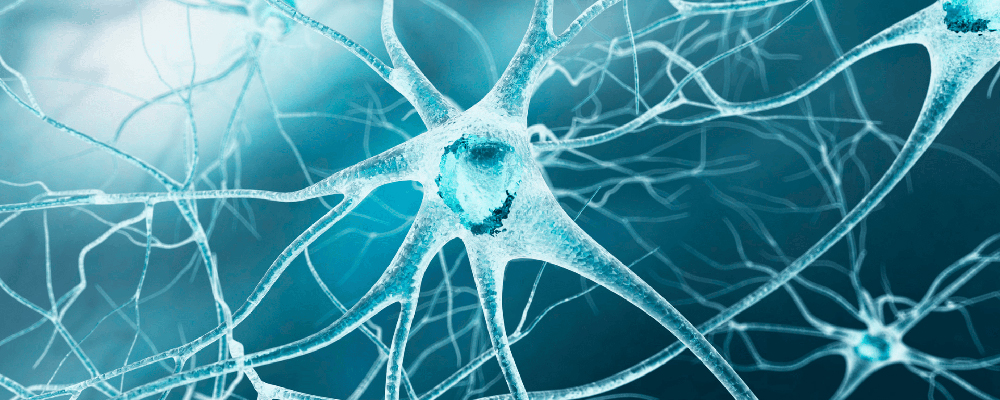
Nerve damage is an injury, compression, inflammation or disease that affects the nerves responsible for transmitting signals around the body. These are the nerves forming the body’s network system that controls sensations, movements, reflexes and coordination.
The link between the brain and body gets affected in case of a problem with nerves. The signs could be anything from pain, tingling, numbness, weakness or abnormal feelings.
Nerve damage could occur due to various causes like diabetes, problems with the spine, infection, deficiency in vitamins, injuries, chronic compression or diseases like trigeminal neuralgia leading to extreme pain caused by irritation of cranial nerves.
This is the question which many people ask themselves when they start feeling some unusual sensations in their body.
The fact is that the symptoms of nerve damage may differ with regard to which of the nerves is impacted. Nonetheless, there are certain standard red flags that are never to be overlooked.
These are the seven early warning signs of nerve damage.
Continuous Tingling in Hands or Feet.
One of the earliest and most prevalent nerve pain symptoms is tingling.
Most people experience temporary tingling when sitting in one position for too long, but persistent tingling is different. When you often experience your hands, fingers, feet or toes tingling without an apparent cause, it can be due to compression of nerves or a dysfunction of the nerves.
Many people search for tingling in hands because it is commonly one of the first symptoms that can be noticed. It may be due to nerve compression in the neck, carpal tunnel syndrome, spinal problems or peripheral nerve problems.
In case the tingling continues to recur or continue over prolonged periods, then it should be evaluated.
Numbness That Keeps Coming Back.
Numbness is another major warning sign.
Unlike temporary numbness from pressure, nerve related numbness tends to happen repeatedly or remain for longer periods.
It may feel like reduced sensation in certain body parts. It is hard to hold anything, walk comfortably and even sense the change in temperature.
Weakness of the hands may be a sign of compression of spinal nerves or damage of peripheral nerves, whereas numbness of the legs or feet may be a sign of spinal nerve involvement.
Constant numbness is regarded as one of the most obvious symptoms of nerve damage that should not be overlooked.
Burning or Electric Shock-Like Pain.
The pain of nerves is not the same as the pain in the normal muscles and joints. It is often described as burning, stabbing, shooting or electric shock-like pain.
This form of pain may travel along a specific nerve path.
When such pains become frequent or severe, it is important that such pain undergo specialized examination.
Muscle Weakness.
Your nerves control muscle movement. In case of nerve damage, muscles that are attached to the nerve may stop working normally.
This may lead to a weakness in the hands, arms, legs or feet. You might find that you are not able to hold objects, climb stairs, walk long distances or do regular things.
This is one of the most important reasons to consult the best neurosurgeon in Hyderabad.
Increased Sensitivity to Touch.
In certain nerve diseases it is not diminished sensation but increased sensation.Even a normal touch may be painful.
For example, when light clothes are touching your skin, it will feel uncomfortable or a slight pressure will trigger pain.
This is due to the fact that injured nerves are in a position to respond to normal sensations as pain.
It is a typical symptom of chronic nerve pain conditions and must be medically evaluated.
Weakness of Balance.
Nerves play an important role in balance and coordination. Once nerve signals are damaged, then your body might not be able to sustain normal movement.
This symptom can be particularly concerning since it can also be a sign of more developed nerve damage.
Any balance problems accompanied by numbness or weakness require immediate medical care.
Chronic Pain That Does Not Improve.
Several weeks or months of persistent pain without a change may be a sign of nerve damage. This is particularly true. When the pain is related to tingling, numbness, weakness or burning sensations.
Chronic nerve pain may need more specialized treatment than normal pain.
Therapies such as neuromodulation can be used to manage chronic pain by controlling abnormal nerve signals in more complicated cases.
When pain does not disappear after medication or rest, then a specialist examination is required.
The damage of nerves may occur due to numerous causes. A spinal problem like herniated discs, where the disc pushes against the surrounding nerves is one of the most common causes. Another significant cause is diabetes since the nerves may be damaged in the long term due to high blood sugar levels.
Nerve function can also be affected by physical injuries, repetitive strain, infections, tumors and vitamin deficiencies.
The nerves in some cases are attacked by chronic inflammation or autoimmune diseases. Which interfere with the functioning of nerves.
It is significant to find the exact cause since a treatment will be based on it.
Many people delay treatment due to the fact that they believe that nerve symptoms will resolve on their own. But you should seek medical assistance in case the symptoms are persistent, worsening or impacting your daily life.
You must see a neurosurgeon in case of persistent tingling, spreading numbness, burning pain, weakness in the limbs, difficulty walking or balance problems. When the symptoms are affecting your work, sleep or mobility. It is time to get evaluated.
In the case of patients in Hyderabad, by seeking the services of the best neurosurgeon in Hyderabad as early as possible, the patient can help prevent long term nerve damage.
Diagnosis of nerve damage is typically initiated with neurological examination. The doctor examines your reflexes, muscle strength, sensation and coordination.
Imaging tests, such as MRI may be advised based on the symptoms to identify problems with the spine, disc compressions or structural abnormalities.
Electromyography and nerve conduction studies are some of the tests that are commonly used to measure nerve functioning.
Blood tests can also be performed to determine the presence of diabetes, vitamin deficiencies and inflammatory diseases.
A proper diagnosis is essential before treatment starts.
The treatment varies according to the cause and severity of the nerve damage. In case the problem is due to the compression of nerves, the treatment may involve physical therapy, injections or surgery. In the case of chronic pains like trigeminal neuralgia, specialized treatment might be necessary.
Neuromodulation for chronic pain can be advised to assist in controlling the abnormal pain signals in the cases of severe chronic pain and also improve the quality of life.
The earlier treatment is started the more potential to recover.
This is based on how early it is diagnosed.
Mild cases of nerve damage can be fully recovered in case the cause is identified and timely treatment is identified.
But extreme or protracted damage of nerves may be permanent. That is why one should never ignore the signs of warning.
Nerve injuries usually start showing signs like tingling, numbness, pain, burning sensation or even weakness in some parts of your body.
These small signs might not have much impact on you initially, but it could be a matter of great concern as far as nerve issues are concerned.
If you are facing any symptoms of nerve pain, unusual tingling in hands or numbness in feet, then it would be wise on your part to consult a doctor at the earliest.
For Best Neurosurgeon in Hyderabad, you need not worry anymore.
Dr. Ravi Suman's Youtube ChannelThe initial symptoms typically consist of tingling, numbness, burning pain and muscle weakness.
Yes. The compression or dysfunction of the nerves can lead to persistent tingling of the hands.
Not always. Early detection and treatment are beneficial in enhancing recovery.
The common experience of nerve pain is burning, stabbing and shooting.
In case of persistent, worsening or movement related symptoms, balance or daily life.
Frameless Stereotactic Radiosurgery
Laser Disc Decompression
Radiofrequency Ablation for Trigeminal Neuralgia
Radiofrequency Ablation for Back Pain & Neck Pain
Minimal Invasive Spine Surgery
Spine Stabilization
Cranial Micro Neurosurgery
Cranio Spinal Trauma
Endoscopic Neurosurgery
Sciatica refers to a group of symptoms caused by irritation or pressure on the sciatic nerve. This nerve runs from your lower back through your hips and down each leg. When affected, it can cause shooting pain, numbness, tingling or weakness, usually on one side. It often gets worse with prolonged sitting or standing. It’s important to remember that sciatica is not a disease. It's a symptom of an underlying problem.
A slipped disc, also known as a herniated disc, happens when the soft cushion between the vertebrae bulges out or ruptures. This can put pressure on nearby nerves, leading to back or neck pain, along with radiating pain, numbness or weakness in the arms or legs. It commonly occurs due to age-related wear and tear, injury or strain.
Sciatica is a symptom, while a slipped disc is a condition. Sciatica mainly causes pain that travels from the lower back into the buttock, leg or foot. A slipped disc, on the other hand, causes pain at the site of the spine (back or neck) and may lead to sciatica if it presses on the sciatic nerve. In simple terms, a slipped disc can be one of the causes of sciatica.
When a slipped disc occurs in the lower back, it can press on the roots of the sciatic nerve. This pressure leads to the typical symptoms of sciatica, such as leg pain, tingling or weakness. However, not all slipped discs cause sciatica, only those that affect nearby nerve roots.
You should consult a doctor if your pain doesn’t improve with rest, keeps coming back or is accompanied by numbness or weakness in the leg or foot. If it starts affecting your sleep or daily activities, it’s time to seek help. Symptoms like loss of bowel or bladder control require immediate medical attention.
Diagnosis usually involves a detailed discussion of your symptoms, a physical examination and imaging tests like MRI or CT scans. These help identify whether the problem is due to a slipped disc, nerve compression or another condition, allowing for the right treatment plan.
Most cases of sciatica can be managed without surgery. Treatment options include pain-relief medications, physiotherapy, stretching exercises and sometimes epidural injections to reduce inflammation around the nerve. Surgery is rarely needed and is reserved for severe or persistent cases.
Treatment for a slipped disc usually starts with rest, medications and physiotherapy to strengthen the core and improve posture. In some cases, injections or procedures like microdiscectomy may be recommended. Most patients recover well with non-surgical treatment.
Dr. Ravi Suman Reddy is a neurosurgeon and spine specialist experienced in diagnosing and treating both sciatica and slipped disc conditions. He focuses on accurate diagnosis and prefers non-surgical treatments whenever possible, using advanced techniques to provide effective and long-lasting relief.
